
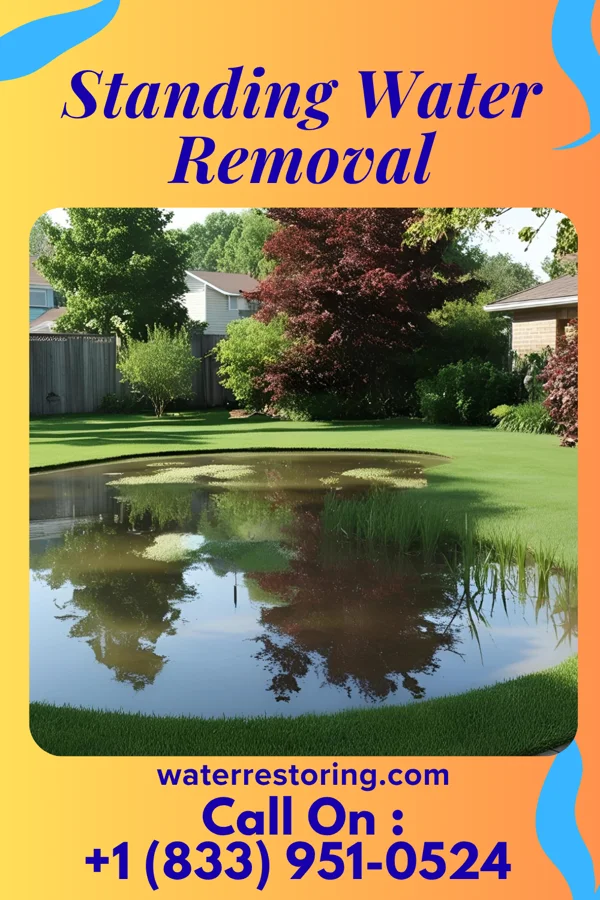
Spencer Standing Water Drivers
Water damage in Spencer tends to cluster in predictable windows because of the local climate. In Spencer, South Dakota, the primary water damage cause is often due to burst pipes in rural homes and agricultural buildings, especially during the colder winter months when frozen pipes can lead to sudden leaks. Additionally, heavy spring rains and snowmelt can overwhelm drainage systems, leading to water intrusion in basements and low-lying areas of the community. A close second is Secondary causes include plumbing failures in older homes, roof leaks from deteriorating shingles, and flooding from nearby rivers such as the James River. In the Golden View Colony area, irrigation system malfunctions also contribute to localized water damage..
Spencer's climate, characterized by cold winters and warm summers, increases the risk of frozen pipes and subsequent water damage. The area's flat terrain and proximity to the James River also make it vulnerable to seasonal flooding, especially during late spring and early fall.
Spencer's climate, characterized by cold winters and warm summers, increases the risk of frozen pipes and subsequent water damage. The area's flat terrain and proximity to the James River also make it vulnerable to seasonal flooding, especially during late spring and early fall. The dominant local driver is In Spencer, South Dakota, the primary water damage cause is often due to burst pipes in rural homes and agricultural buildings, especially during the colder winter months when frozen pipes can lead to sudden leaks. Additionally, heavy spring rains and snowmelt can overwhelm drainage systems, leading to water intrusion in basements and low-lying areas of the community., with Secondary causes include plumbing failures in older homes, roof leaks from deteriorating shingles, and flooding from nearby rivers such as the James River. In the Golden View Colony area, irrigation system malfunctions also contribute to localized water damage. showing up as the next most common cause. Damage builds in stages. Spread. Absorption. Microbial growth. Structural compromise. Every stage you pass through adds to the final bill.